Rotten Column Replacement in Seattle, WA
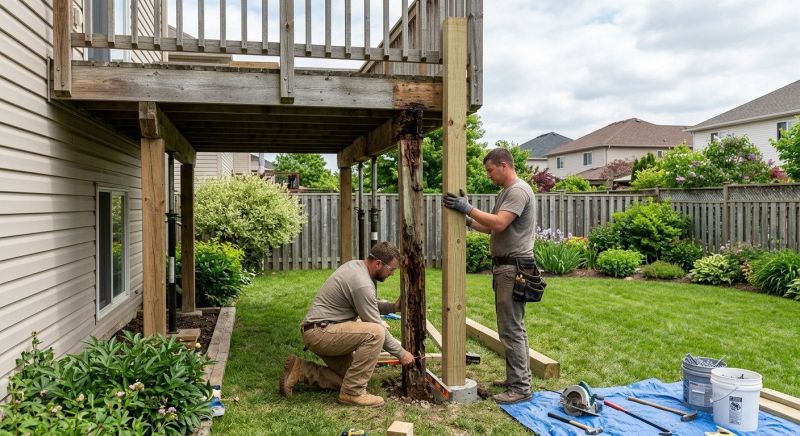
Rotten column replacement services involve removing and replacing damaged or decayed support columns that are essential for the stability of a structure. This type of project typically covers areas such as basements, porches, decks, or other load-bearing supports where wood or other materials have deteriorated over time. Property owners often seek this service to ensure the safety and longevity of their homes, especially when signs of rot, mold, or structural weakness are evident in the columns.
Before requesting rotten column replacement, property owners should understand the extent of the damage, the materials involved, and the potential impact on the overall structure. It is important to evaluate whether the replacement involves only the column or if additional repairs to the foundation or supporting beams are necessary. Clear communication about the scope of work and any underlying issues can help ensure the project addresses all structural concerns effectively.
Many property owners in Seattle, WA look into Rotten Column Replacement for repairs, replacements, upgrades, and appearance-related improvements.
Understanding Rotten Column Replacement
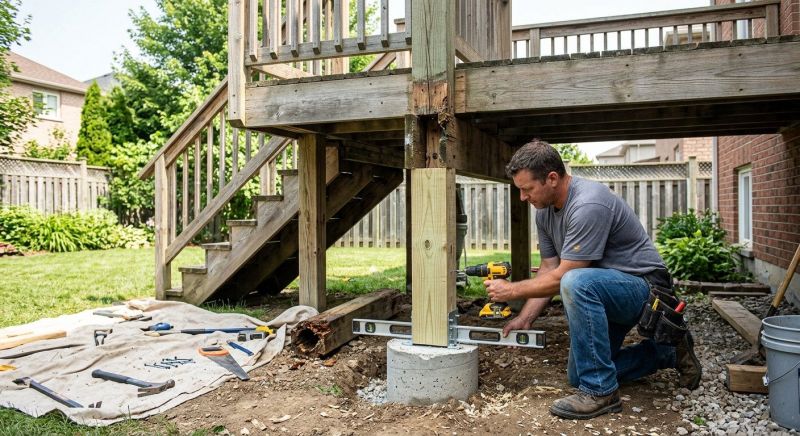
Replacing compromised columns helps maintain the structural integrity of your property.
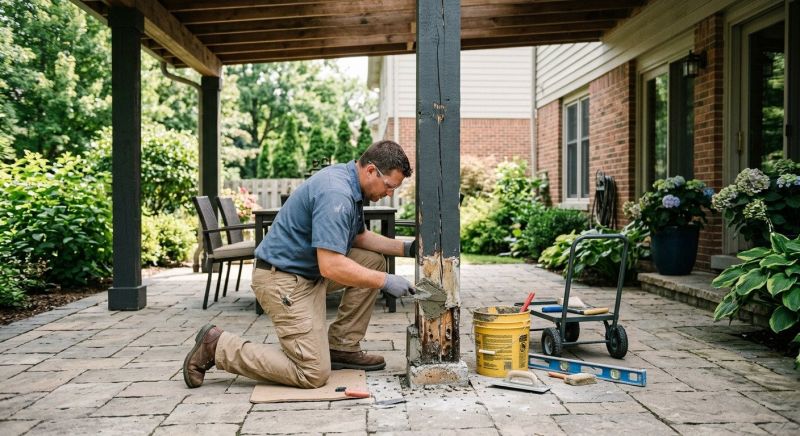
Signs You Need Column Replacement
Visible cracks, sagging, or deterioration indicate potential issues with your existing columns.
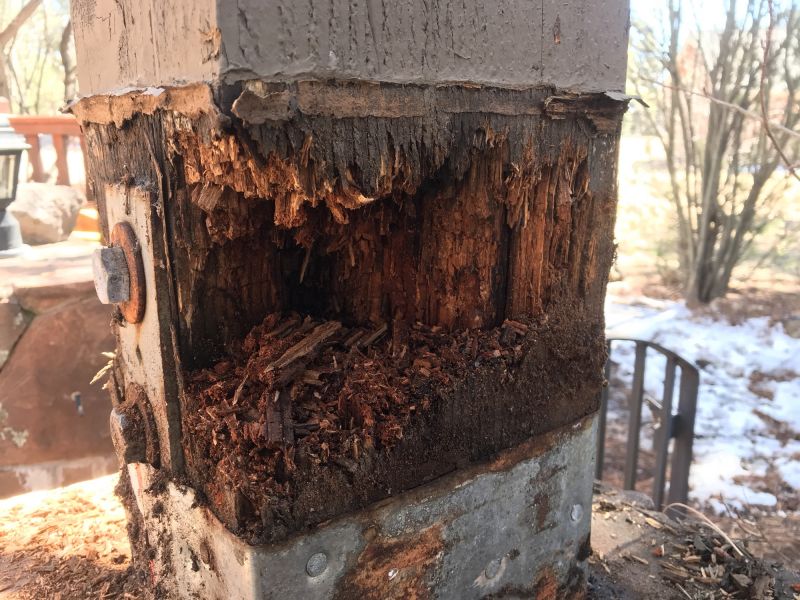
Benefits Of Professional Replacement
Properly replaced columns enhance safety and extend the lifespan of your building in seattle area homes.
Rotten Column Replacement in Seattle, WA
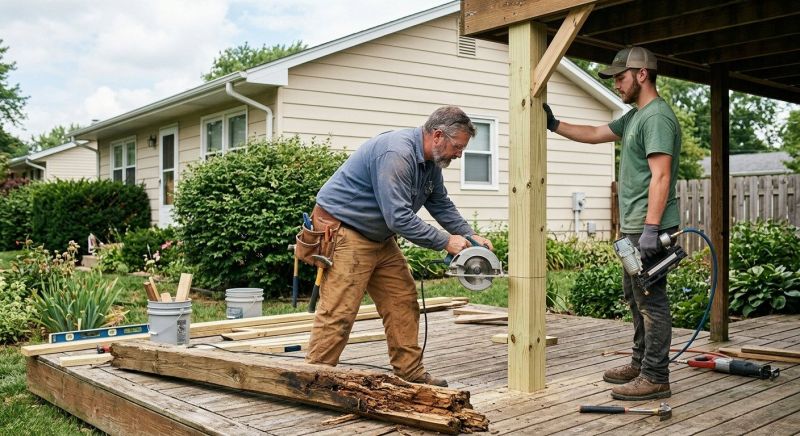
Rotten column replacement services involve removing and replacing damaged or decayed support columns that are essential for the stability of a structure. This type of project typically covers areas such as basements, porches, decks, or other load-bearing supports where wood or other materials have deteriorated over time. Property owners often seek this service to ensure the safety and longevity of their homes, especially when signs of rot, mold, or structural weakness are evident in the columns.
Before requesting rotten column replacement, property owners should understand the extent of the damage, the materials involved, and the potential impact on the overall structure. It is important to evaluate whether the replacement involves only the column or if additional repairs to the foundation or supporting beams are necessary. Clear communication about the scope of work and any underlying issues can help ensure the project addresses all structural concerns effectively.
Many property owners in Seattle, WA look into Rotten Column Replacement for repairs, replacements, upgrades, and appearance-related improvements.
Common Rotten Column Replacement Jobs
Rotten Column Replacement Services - Expert removal and replacement of damaged or decayed support columns.
Foundation Support Replacement - Restoring structural stability by replacing compromised columns.
Basement and Crawl Space Support - Reinforcing or replacing columns to prevent settling or shifting.
Historic Column Restoration - Replacing deteriorated columns while preserving original architectural details.
Post and Beam Support Replacement - Upgrading aging support posts to ensure safety and durability.
Concrete and Masonry Column Replacement - Removing and replacing damaged concrete or masonry columns efficiently.
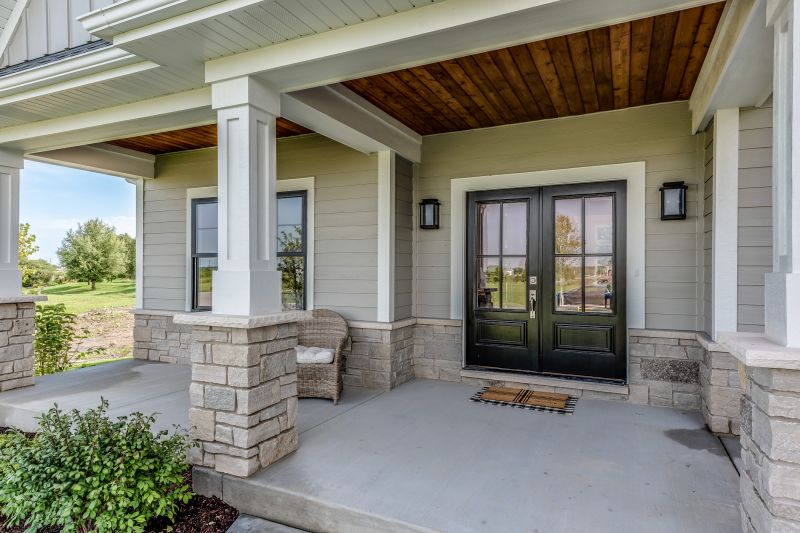
Rotten Column Replacement Questions
What causes a rotten column? Moisture infiltration and wood decay are common factors that lead to column deterioration over time.
How can I tell if a column needs replacement? Signs include visible rot, sagging, cracks, or compromised structural integrity.
What materials are used for column replacement? Durable options like pressure-treated wood, composite, or steel are typically used for replacements.
Is replacement necessary for minor damage? Minor surface issues may be repairable, but significant rot or structural concerns usually require full replacement.
Request Rotten Column Replacement in Seattle, WA
Use the quote form on this page to share the basics of your project and request more information for the type of work you need.